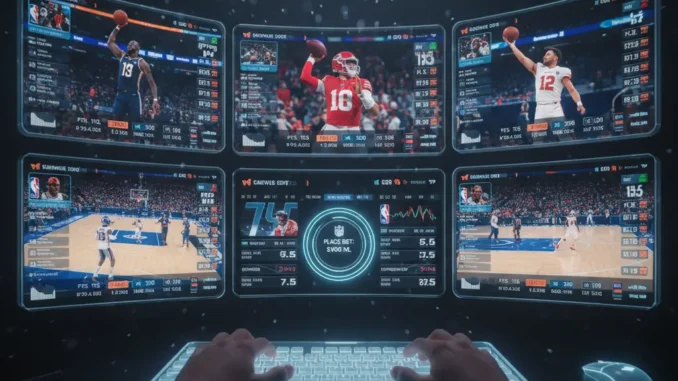
The roar of the crowd, the nail-biting suspense, the thrill of victory – sports betting thrives on capturing these visceral experiences. Now, imagine amplifying that excitement tenfold. The integration of live streaming into sportsbooks has already revolutionized the industry, but the next leap forward is here: multi-view. Picture a user, eyes glued to their screen, simultaneously tracking the crucial plays of three different games, all while strategically placing bets. This isn’t some futuristic fantasy; it’s the power of multi-view, poised to redefine the betting landscape.
Sportsbooks are no longer just platforms for placing wagers; they’re becoming immersive entertainment hubs. Multi-view takes user engagement to unprecedented levels, offering a dynamic and personalized betting experience that keeps customers coming back for more. The potential impact on sportsbook revenue and overall customer satisfaction is immense, and understanding how to strategically implement this technology is critical for staying ahead in today’s competitive market.
What is Sportsbook Live Streaming Multi-View?
Multi-view in sportsbook live streaming is a feature that allows users to watch multiple live events simultaneously on a single screen. Instead of being restricted to one game at a time, bettors can monitor several matches, races, or events, all while keeping an eye on the evolving odds and placing bets in real-time. This capability massively enhances the live betting experience, offering a dynamic and immersive way to engage with sports.
The popularity of multi-view has surged recently as sportsbooks recognize its potential to boost user engagement and increase bet frequency. By providing bettors with more control over their viewing experience and access to a broader range of live action, sportsbooks can create a more compelling and interactive betting environment. From personal experience, the integration of multi-view has demonstrably led to longer session times and a higher volume of bets placed per user. It empowers bettors to make more informed decisions by comparing odds and game progress across multiple events, adding a layer of strategic depth to their wagers. Beyond the strategic advantages, multi-view simply makes watching and betting on sports more exciting and captivating.
The Evolution of Live Streaming in Sports Betting
In the early days of online sports betting, real-time information was limited, and live betting options were basic. The introduction of live streaming was a game-changer, offering bettors a visual connection to the events they were wagering on. However, initially, users were confined to watching a single stream, which could be restrictive, especially for those interested in multiple games or simultaneous events. Multiview emerged as a response to the growing demand for more comprehensive and personalized experiences, meeting the needs of modern bettors who want more control of their experience.
From my observation, users particularly value the ability to customize their multi-view display, selecting which games to prioritize based on personal interest or betting strategy. Features like adjustable screen layouts and real-time data overlays have become essential for serious bettors who rely on staying informed and quick on the trigger. The evolution of live streaming, culminating in multi-view, reflects a broader trend toward enhanced user autonomy and richer, more interactive online gambling experiences.
The Watch & Bet Experience: A Comparative Look
The multi-view feature, allowing users to watch multiple live events simultaneously, is becoming a crucial differentiator among sportsbooks. However, the implementation and user experience vary significantly. Some platforms offer seamless integration with betting markets. This allowing users to quickly place bets on any of the games they are watching. The live streaming is generally high quality and synchronized across all views, creating an immersive and intuitive experience.
Other sportsbooks struggle to deliver a consistent user experience. Poor stream quality, lag, or a clunky interface can detract from the experience. The key lies in how well the sportsbook integrates the live streams with their betting platform. Some sportsbooks let users easily access betting options directly from the multi-view screen, while others require users to navigate away from the live streams, resulting in a disjointed experience. Different approaches exist, and sportsbook providers excel in different areas. For example, some sportsbooks may prioritize the number of available streams. While others focus on the quality and stability of a smaller selection. There are trade-offs between offering a wide range of options and the quality of the viewing experience.
The ease of use is also critical. An intuitive interface that allows users to easily customize their multi-view setup is essential. Some platforms allow users to drag and drop streams, resize windows, and adjust audio levels independently. The sportsbooks that prioritize user control and customization tend to provide a more satisfying experience. The success of any multi-view implementation depends on a combination of factors, including stream quality, betting integration, and user-friendliness.
Case Studies: Success Stories and Missed Opportunities
Several sportsbooks have successfully leveraged multiview to enhance customer engagement and drive revenue growth. For instance, some sportsbooks have seen a significant increase in live betting activity among users who regularly use the multi-view feature. By providing a convenient way to watch multiple games and place bets simultaneously, these platforms have tapped into a valuable segment of sports fans. These sportsbooks are continually expanding their multi-view capabilities, adding new features such as real-time stats and social sharing options. This innovation is key to maintaining a competitive edge in the rapidly evolving sports betting market.
There have also been examples of sportsbooks that have failed to effectively implement multiview. Some platforms have released multi-view features that were buggy, unreliable, or simply difficult to use. These sportsbooks ultimately damage the user experience and alienate customers. A common mistake is to rush the development process and release a feature that is not fully tested or optimized. This can lead to technical issues, such as streams freezing, audio cutting out, or the app crashing altogether. Another mistake is to overlook the importance of user feedback. Listening to what customers want and need is essential for developing a multi-view feature that is truly valuable.
The Technology Behind Multi-View
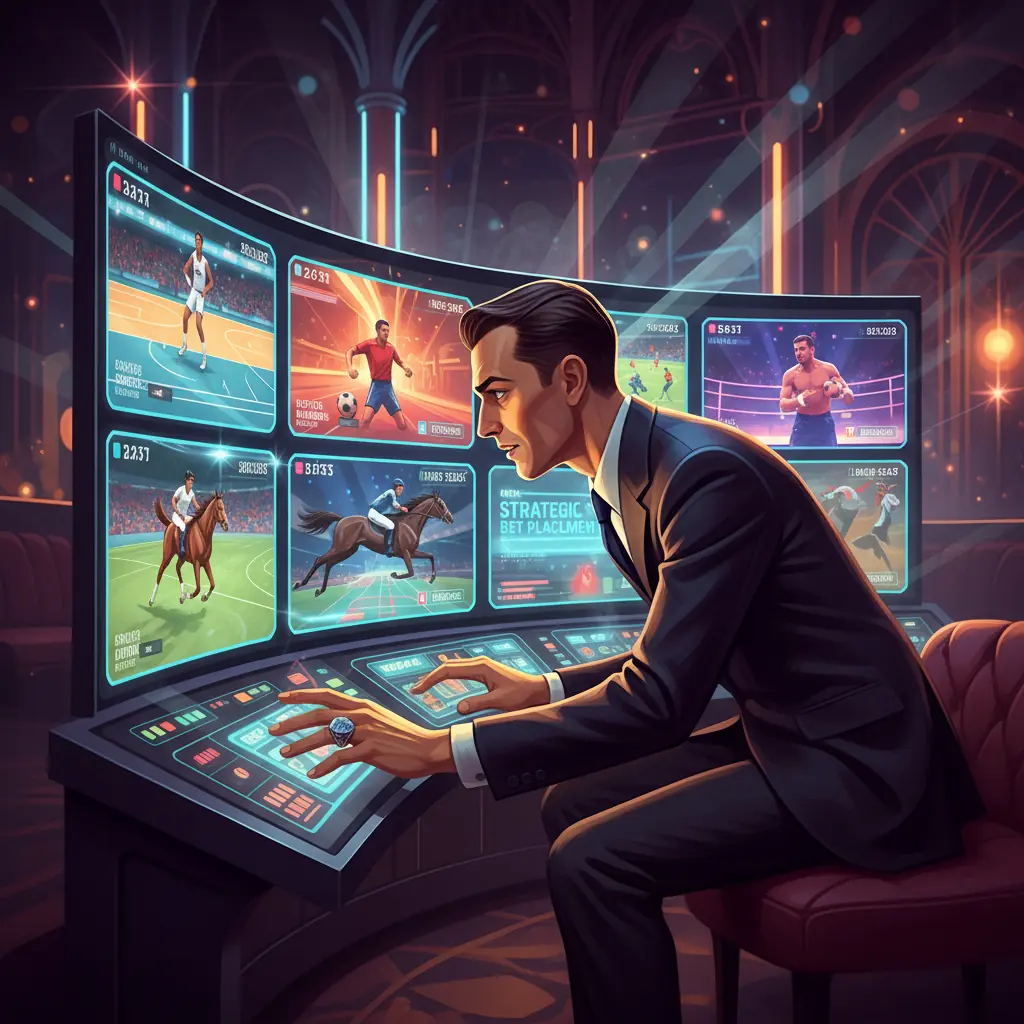
Multi-view technology enables viewers to watch multiple video streams simultaneously, offering a personalized and engaging viewing experience. Implementing this technology requires careful consideration of different architectural approaches, each with its own set of advantages and disadvantages. Three primary architectures dominate the multi-view landscape: client-side multiview, server-side multiview, and Bring Your Own Multi-View (BYOMV).
Client-side multiview solutions rely on the viewer’s device (e.g., smart TV, mobile phone) to decode and render multiple video streams. This approach offers flexibility in terms of layout customization and individual stream control, putting the user in charge of their viewing experience. However, client-side rendering demands significant processing power from the user’s device, potentially limiting reach to viewers with high-end hardware. Furthermore, variations in device capabilities can lead to inconsistent experiences, increasing the complexity of the development and support process.
Server-side multiview shifts the processing burden to the streaming server. The server composites multiple video feeds into a single stream, which is then delivered to the viewer. This approach simplifies the client-side requirements, ensuring broader compatibility across different devices. On the other hand, server-side compositing reduces the flexibility of layout customization and places a significant load on the server infrastructure, impacting scalability. It also limits individual stream control, presenting viewers with a pre-defined multi-view experience.
The choice of architecture significantly impacts several key factors. Client-side rendering can increase development costs due to the need for optimization across various devices. Server-side compositing may have higher infrastructure costs due to increased server load. Scalability is influenced by the processing limitations of client devices (client-side) or the capacity of the streaming servers (server-side). Ultimately, the decision hinges on balancing reach, cost, scalability, and the desired level of user customization.
BYOMV: The Future of Multi-View?
Bring Your Own Multi-View (BYOMV) represents a paradigm shift in multi-view technology. BYOMV allows sportsbooks and OTT platforms to integrate pre-existing streaming infrastructure with multi-view functionality, minimizing upfront investment and accelerating time to market. Instead of building an architecture from scratch, BYOMV utilizes vendor provided technologies that seamlessly integrate streams from diverse sources within a unified platform.
The potential of BYOMV lies in its ability to lower the barrier to entry for sportsbooks looking to offer enhanced viewing experiences. BYOMV can facilitate competition in the sportsbook and streaming space by reducing the overall cost and complexity that comes with server-side and client-side solutions. However, it should be noted that reliance on external vendor technologies could introduce dependencies and potential integration challenges.
Considering the cost vs benefit, BYOMV’s flexibility, combined with growing adoption of standardized streaming protocols, suggests a promising future and position among multiview’s technological ecosystem.
Maximizing Engagement with Multi-View: Strategies for Sportsbooks
Multi-view isn’t just about showing multiple games at once; it’s about crafting an immersive, engaging experience that keeps bettors glued to the screen—and actively placing wagers. Sportsbooks can significantly boost user engagement by embracing personalization. Imagine a user who primarily bets on NBA and NFL games. Instead of a generic multi-view layout, they’re greeted with a customized feed showcasing those leagues, highlighting key stats, and offering tailored betting opportunities. Another tactic is curating multiview feeds around popular events, like a “Championship Sunday” feed that automatically pulls in all the crucial games, complete with expert analysis and live odds updates. Think of it as creating a ‘lean-back’ experience where bettors are effortlessly drawn deeper into the action, with minimal effort – translating into higher bet frequency and, ultimately, increased revenue for the sportsbook. This personalized touch fosters a sense of value and understanding, dramatically improving customer satisfaction.
Integrating Live Stats and Betting Markets Seamlessly
The beauty of multiview lies in its ability to deliver a holistic betting experience. This means seamlessly weaving live stats and betting markets directly into the stream. No more frantic tab-switching! Bettors can instantly access real-time data – possession stats, player performances, and even in-game momentum shifts – right alongside the live video feed. This immediate access empowers them to make data-driven decisions, leading to more confident bets and a heightened sense of control. Integrating betting markets dynamically is equally crucial. Suppose a team is mounting a late-game comeback; the live odds should adjust accordingly, presenting bettors with time-sensitive opportunities to capitalize on the changing landscape. The integration needs to be intuitive and responsive, enhancing the user experience. The ability to see the game unfold in real-time, combined with instant access to relevant betting markets and stats, transforms multiview from a passive viewing experience to an active and engaging betting platform.
The Future of Multi-View: Emerging Trends and Innovations
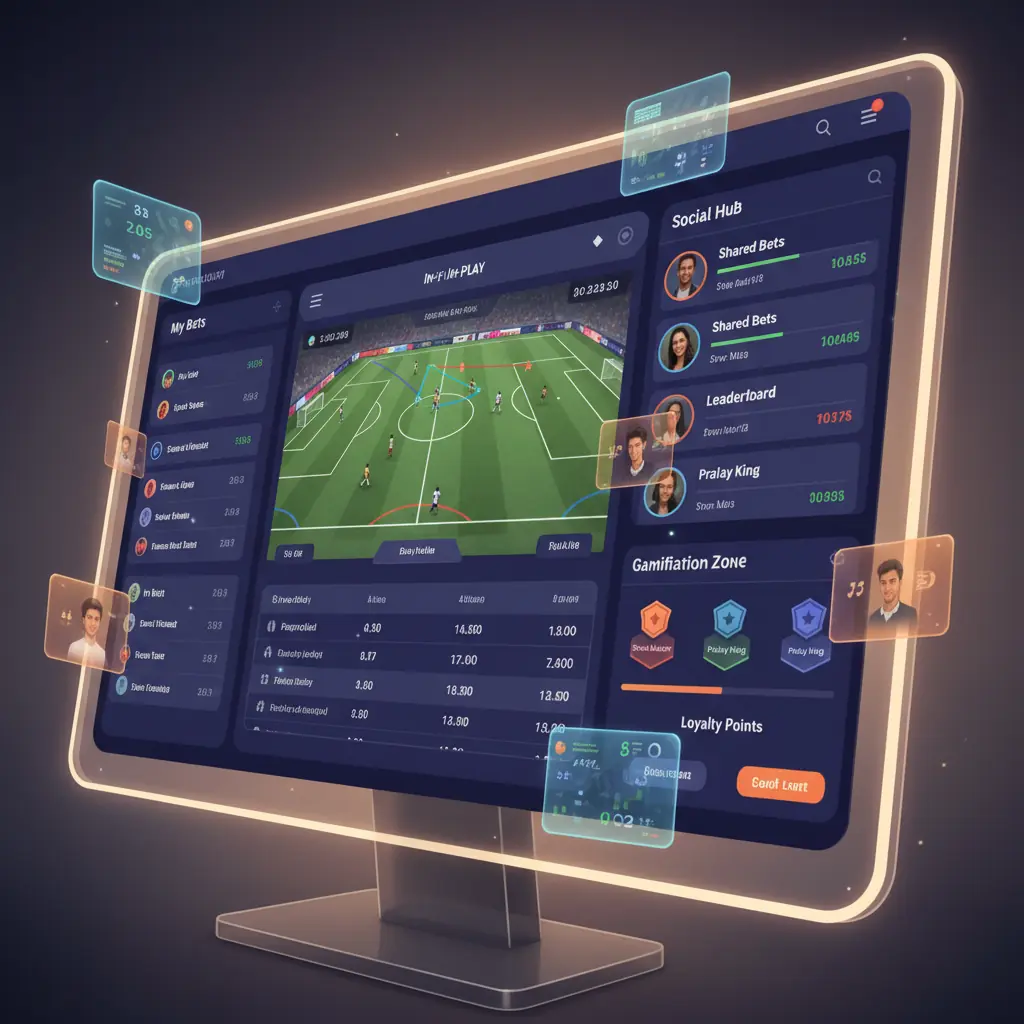
The multi-view experience is on the cusp of a dramatic transformation, fueled by advancements in artificial intelligence and a growing demand for personalized content. Expect to see a surge in AI-powered features that automatically curate highlight reels within multi-view streams. Imagine watching a basketball game and having the system instantly create a compilation of the best dunks, steals, and three-pointers, all within the same multi-view window. This technology vastly improves a viewer’s ability to engage with the most exciting moments, offering targeted sizzle to potential new fans.
Beyond AI, personalization will redefine how viewers interact with multi-view formats. Users will be able to customize their viewing experience based on individual preferences, choosing which camera angles, statistics, and commentary feeds are most relevant to them. This opens up exciting possibilities, such as betting on live events based on the action presented in a personalized multi-view game feed. Innovative interfaces and interactive elements will enhance user engagement, making live event streaming more dynamic and rewarding than ever before.
Conclusion
Multiview is more than just a feature – it’s a fundamental shift in how sports fans engage with betting. For sportsbooks, embracing multiview isn’t simply about keeping pace; it’s about gaining a competitive advantage. By offering a richer, more immersive betting experience, platforms can attract and retain users in a crowded market. To move toward integrating multiview, sportsbook operators should begin by assessing their current infrastructure and identifying key technological gaps. From there, strategically partnering with technology providers specializing in streaming solutions and data integration is crucial. User experience and gathering feedback can refine this process. The most important factor for success in integrating multiview is prioritizing the user. A platform that is intuitive, reliable, and enhances the excitement of sports will win.