
The Triple Crown. Just the words themselves conjure images of thundering hooves, roaring crowds, and the almost mythical pursuit of immortality on the racetrack. It’s a challenge so daunting, a feat so rare, that only a handful of thoroughbreds have ever etched their names into the history books by claiming all three jewels: the Kentucky Derby, the Preakness Stakes, and the Belmont Stakes. I remember being glued to the TV screen, the air crackling with anticipation, as a Triple Crown hopeful rounded the final turn, the weight of decades of dreams on its back.
But the story of the Triple Crown isn’t just about the winners. It’s about the evolution of the sport, the changing landscape of horse racing, and the impact these legendary horses have had on generations of fans. Think of Secretariat, shattering records and captivating the world with his sheer dominance. Or American Pharoah, ending a 37-year drought and reigniting the passion for the sport. These trail blazers didn’t just win races; they became cultural icons. Now, let’s embark on a journey to uncover the compelling stories behind these legends.
Defining the ‘Trail Blazer’
In the thrilling world of horse racing, a ‘trail blazer’ isn’t just any champion; it’s an individual – horse, trainer, or owner – who reshapes the landscape of the sport. It’s about more than just winning races; it’s about blazing new trails through innovation, leaving a lasting impact that influences generations to come. A true trailblazer introduces novel training methods, pioneering breeding strategies, or even changes the way races are run and perceived.
Consider the horse that dared to run from behind when front-running was the norm, or the trainer who incorporated unconventional techniques that revolutionized conditioning. These are the figures whose influence extends far beyond their own accomplishments, inspiring others to push boundaries and redefine what’s possible. Their legacy becomes etched in the very fabric of horse racing, shaping its future and reminding us that true greatness lies not just in achievement, but in the courage to innovate. They leave a sport different from what it was before.
Early Pioneers: Laying the Groundwork (1919-1948)
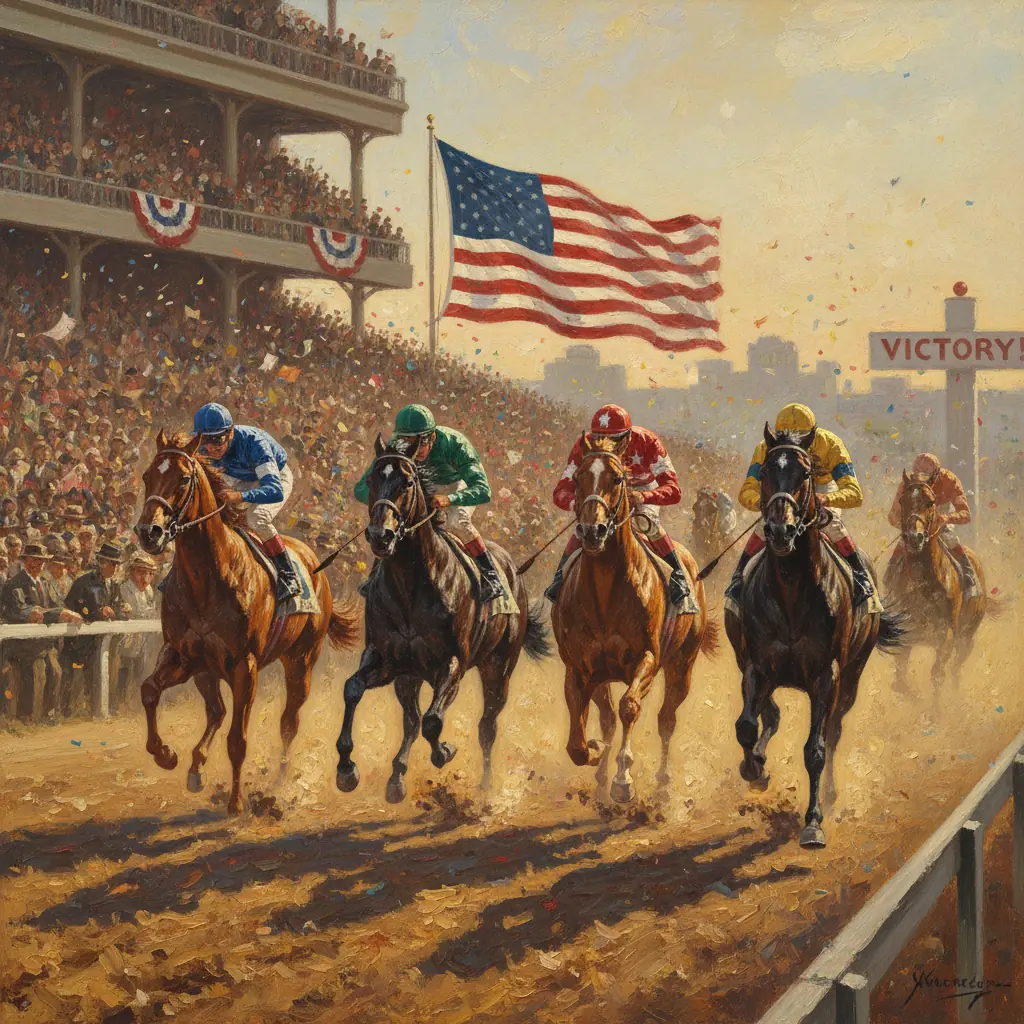
The early years of the Triple Crown, spanning from 1919 to 1948, represent a transformative period in horse racing history. This era established the Triple Crown as the ultimate test of stamina and speed. The victors from this time, Sir Barton, Gallant Fox, Omaha, and War Admiral, were more than just horses; they became symbols that paved the way for future champions. The tracks they raced on were different from what we see today. Training methods were less refined, and veterinary science was in its infancy. Yet, these horses persevered, showcasing not only incredible athleticism but also immense heart.
Sir Barton: The Accidental Champion
Sir Barton’s 1919 Triple Crown victory was, in many ways, an accident—he wasn’t even initially nominated for the Kentucky Derby! This unexpected triumph played a crucial role in cementing the concept of a ‘Triple Crown’ in the American racing consciousness. Often described as possessing a somewhat grumpy disposition, Sir Barton preferred to run from the front, setting a blistering pace that often exhausted his rivals. His win wasn’t just a sporting event; it occurred in a post-World War I America, a nation eager for heroes and moments of celebration.
Gallant Fox: The First True Triple Crown Icon
Gallant Fox, who clinched the Triple Crown in 1930, is widely recognized for popularizing the term ‘Triple Crown’ and solidifying its prestige. In contrast to Sir Barton’s come-from-nowhere story, Gallant Fox was a highly regarded colt from the get-go. His racing strategy involved stalking the pace before unleashing a powerful late surge. Beyond his achievements on the track, Gallant Fox also left a lasting impact on breeding, proving himself a stallion. This horse was also one of the first prominent European stallions imported to the U.S.
Omaha: Gallant Fox Legacy
Omaha, winning the Triple Crown in 1935, carried on his father Gallant Fox’s legacy. Trained by the legendary “Sunny” Jim Fitzsimmons, Omaha faced challenges in his Triple Crown bid, particularly handling the sloppy track conditions in the Preakness. Despite this, his determination and adaptability shone through, securing him the Triple Crown title. Omaha was known for his stamina and ability to maintain a strong pace over longer distances. Carrying with him the prestigious legacy of his father, Omaha demonstrated the importance of lineage and strategic training.
War Admiral: The Loser
War Admiral’s 1937 Triple Crown win is often overshadowed by his subsequent, and highly publicized, loss to Seabiscuit in a match race. This defeat, however, doesn’t diminish War Admiral’s accomplishments. A temperamental horse, War Admiral was known for his speed and relentless drive. His Triple Crown victory, achieved with a fractured hoof, is a testament to his toughness and competitive spirit. It’s ironic that a Triple Crown winner is in some ways more famous for a loss, but that’s precisely what makes War Admiral such a compelling figure in horse-racing lore.
The Modern Era: Revolutionizing the Game (1973-2018)
The period between 1973 and 2018 witnessed a seismic shift in horse racing, redefining the sport through the achievements of five legendary horses: Secretariat, Seattle Slew, Affirmed, American Pharoah, and Justify. These equine athletes didn’t just win races; they shattered records, captivated audiences, and inspired new approaches to training and breeding. Their dominance on the track reverberated throughout the industry, marking a true horse racing revolution.
Secretariat: The Unbreakable Record
Secretariat. The name alone evokes images of unparalleled speed and raw power. His 1973 Triple Crown victory wasn’t just a win; it was a demolition of existing records. He didn’t just set new records; he obliterated them. His times in all three Triple Crown races remain unbroken to this day, a testament to his extraordinary talent and athleticism. Secretariat wasn’t just a horse; he was a legend, a reminder of the breathtaking potential of the thoroughbred. Even decades later, his races continue to be replayed, inspiring awe and wonder in new generations of horse racing enthusiasts.
Seattle Slew: The Imperfect Champion
Seattle Slew’s story is a lesson in defying expectations. Unlike many Triple Crown contenders, Seattle Slew’s pedigree wasn’t exactly blue blood, and he was undefeated before even entering the Kentucky Derby. This “imperfect champion” possessed a unique blend of grit and determination. He overcame the odds, capturing the 1977 Triple Crown with an unyielding spirit. Seattle Slew proved that heart and determination can triumph over pedigree, making his victory one of the most inspiring in horse racing history. He also showed to the world that he didn’t need to have a great pedigree to become one of the greatest.
Affirmed: The Last of an Era
Affirmed. If Seattle Slew didn’t have the perfect pedigree, Affirmed did. The 1978 Triple Crown belonged to Affirmed, but it was defined by an epic rivalry: the duels between Affirmed and Alydar. Their battles were dramatic and intense. Affirmed, with jockey Steve Cauthen aboard, managed to hold off Alydar in all three races, securing a hard-fought Triple Crown victory. But if the horse was an icon, the rivalry even more. Affirmed’s triumph marked the end of an era. After him, no horse was capable of winning the three most important races for years. It was a drought that really seemed infinite.
American Pharoah: Ending the Drought
The wait was over! In 2015, American Pharoah, under the guidance of trainer Bob Baffert, finally broke the 37-year Triple Crown drought. American Pharoah possessed a smooth, efficient stride and an undeniable class that set him apart. His victory ignited a resurgence of interest in horse racing. American Pharoah became a household name, reminding the world of the thrill and excitement that the Triple Crown can deliver. This horse was special because he demonstrated that patience may often have its reward. The entire world was waiting for someone to repeat Affirmed’s achievement, and he delivered.
Justify: The New Kid
Justify, another Bob Baffert trainee, stormed onto the scene in 2018, capturing the Triple Crown with an air of invincibility. What made Justify so impressive was his raw talent and ability to handle every challenge thrown his way. The New Kid was special because he was enormous and possessed an uncanny capacity to accelerate at will. His Triple Crown victory cemented his place in horse racing history. To this day, Justify remains the most recent winner of the Triple Crown, and his triumph keeps the dreams of future contenders alive. With the same team as American Pharoah, Justify was unique thanks to his size and strength.
Training and Techniques: Evolving Strategies
Horse racing, specifically the pursuit of the Triple Crown, is not just about the horse; it’s about the intricate dance between horse and human, honed over generations. Training methodologies, nutritional understanding, and veterinary interventions have undergone a seismic shift, dramatically influencing the chances of a horse even contending for, let alone winning, such a grueling challenge.
Consider the evolution of training philosophies. Gone are the days of simply running a horse into the ground, relying on brute force and instinct. Modern training is an art form, a delicate balance of conditioning, rest, and psychological well-being. Innovative approaches such as interval training, which alternates high-intensity bursts with periods of recovery, have become commonplace. This technique optimizes cardiovascular fitness and builds stamina without the excessive wear and tear of traditional long-distance galloping.
Technology and data analysis also play crucial roles. GPS trackers monitor a horse’s speed, stride length, and heart rate, providing trainers with invaluable insights into their performance and potential vulnerabilities. Sophisticated software analyzes this data, allowing for customized training regimens tailored to each horse’s unique physiology. Film analysis helps refine a horse’s gait and identify areas for improvement, maximizing efficiency and minimizing the risk of injury.
Nutrition has transformed from simple feeding to a science-backed approach. Horses receive carefully calibrated diets based on their energy expenditure, metabolic rate, and individual needs. This can include supplements to promote joint health, muscle recovery, and overall well-being. A carefully crafted diet ensures that a Triple Crown hopeful has the fuel it needs to endure the demanding schedule while remaining healthy and resilient.
Veterinary medicine has made giant leaps, with advanced diagnostic tools and treatment options available. Regular monitoring, preventative care, and swift intervention for injuries are all vital. These advancements would make the potential Triple Crown horse stay at peak performance and quickly recover from the demand that such competition requires.
Beyond the Track: The Trail Blazers’ Legacy
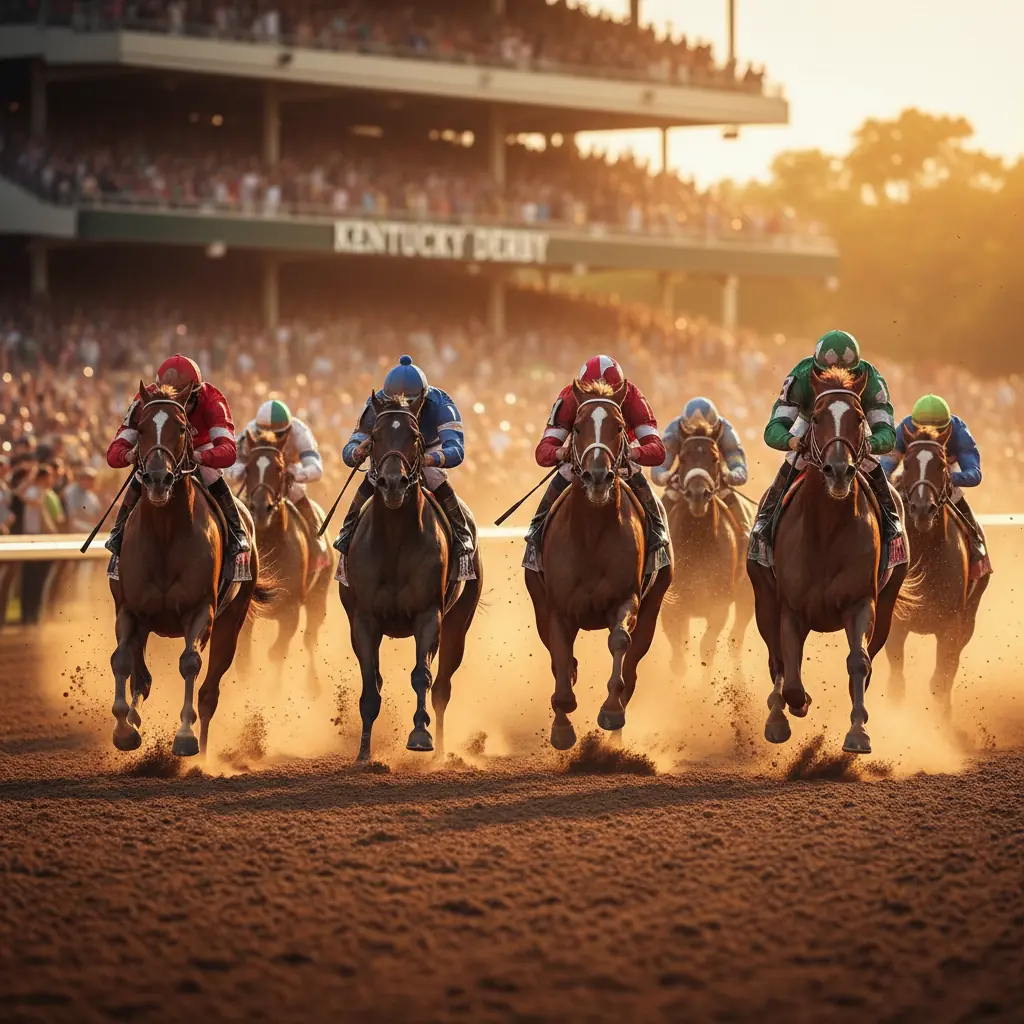
The roar of the crowd fades, the garland of roses withers, but the true measure of a Triple Crown champion lies far beyond the finish line. These equine legends leave an indelible mark, shaping the very fabric of horse racing for generations to come. Their influence permeates breeding programs, explodes into popular culture, and subtly reshapes the economic landscape of the sport itself. Let’s delve into how these extraordinary animals transcend their on-track triumphs.
The most immediate and perhaps profound impact is felt in breeding. A Triple Crown winner instantly becomes a highly sought-after stallion. Breeders clamor for their bloodlines, hoping to infuse their own stock with the champion’s speed, stamina, and athleticism. The lineage of Secretariat, for example, continues to influence racing today, his descendants carrying on his legacy of unparalleled performance. These horses aren’t just sires; they are genetic linchpins, their DNA acting as templates for future generations of racers. Success on the track translates directly into breeding value, creating a powerful incentive to chase Triple Crown glory.
Beyond the breeding shed, some Triple Crown winners achieve a level of celebrity that transcends the sport. They become cultural icons, their names and stories resonating with the public at large. Consider the enduring appeal of Seabiscuit, whose underdog story during the Great Depression captured the hearts of a nation. Or Citation, whose dominance in the late 1940s provided a much-needed dose of optimism in a post-war world. These horses become symbols, representing perseverance, excellence, and the timeless allure of the sport. Their images adorn everything from magazines to merchandise, solidifying their place in the cultural consciousness.
Finally, the ripple effects of a Triple Crown victory extend to the economics and structure of the horse racing industry. A champion’s success generates immense revenue, attracting new fans, boosting television ratings, and driving tourism to racetracks. This influx of capital can be reinvested in improved facilities, enhanced training programs, and increased prize money, creating a virtuous cycle of growth. Furthermore, the pursuit of Triple Crown glory shapes the racing calendar, influencing the selection of races and the strategies employed by trainers and owners. These horses aren’t just athletes; they are catalysts, driving innovation and shaping the future of the sport they dominate.
Conclusion
The Triple Crown. It is more than just three races; it’s the ultimate test of stamina, speed, and heart. The horses who conquer it etch their names into the very fabric of horse racing history. From the legendary Secretariat to the modern marvel Justify, these champions inspire awe and ignite the dreams of every owner, trainer, and jockey.
Their legacy extends far beyond the winner’s circle. They redefine what’s possible, pushing the boundaries of equine athleticism and setting a new standard for future generations. These trailblazers remind us that greatness is not just about winning; it’s about the journey, the dedication, and the unwavering pursuit of excellence.
As we look ahead, the future of horse racing remains unwritten. New stars will emerge, and new chapters will be added to the Triple Crown saga. And while the sport evolves, the echoes of these legendary horses will continue to inspire, reminding us of the enduring power and timeless magic of the Triple Crown.